What spins the innovation flywheel?
The importance of incentivization and n-th order effects

What drives progress?
I’ve always been plagued with the “how do I create more good?” idea, for the good or for the bad. And I’ve been thinking about it, too (some say thinking too much is the bane of one’s existence…), stumbling upon 80000 Hours some time ago. Their ideas, while awesome, didn’t quite click (say, 80% click vs. 100%) - so I continued to think some more…
One question I’ve been asking myself - what is driving the progress?
Oof
Obviously, it’s curiosity and the desire of knowledge, yeah - but now, are those the only factors?

I’d also say current political situation, business and science also have a go.

Deeper oof
Let’s dive somewhat deeper (DELVE DELVE DELVE I’M NOT AN AI) - politics and science are influencing progress and innovation, yeah.
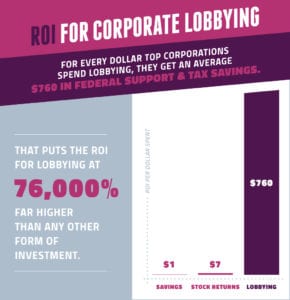
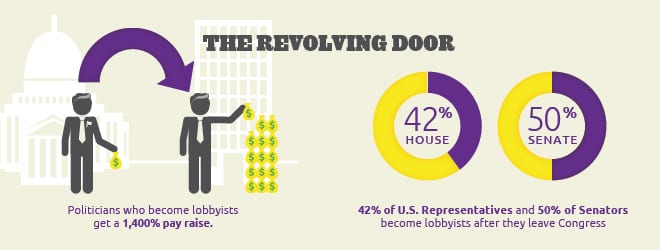
But aren’t politics driven partly by big corporations and other stakeholders, and science - by the same ones, in the form of grants, endowments etc? Let’s add capital to the chart:

So deep I can’t breathe
Yet, to receive lobbying contribution, raise a VC round or receive a grant you’ve got to:
be in high-profile politics
be a serial entrepreneur, or a top university graduate/PhD
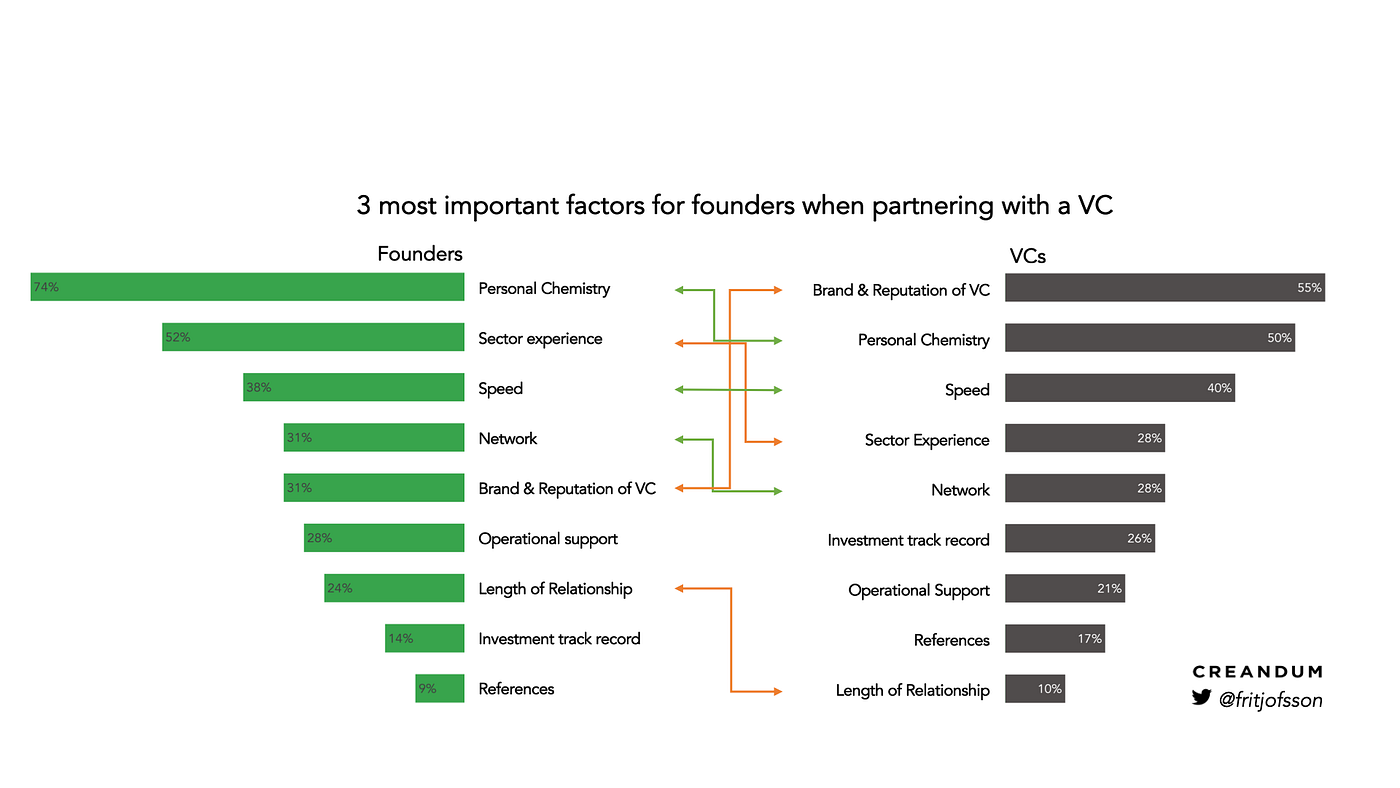
enter a good/great laboratory with a PI that gets the grants
(imagine a growling PI that jumps on top of others to snatch the grant approval paper)
(Had to change D2’s layout engine to not make a mess…)

How can we foster and promote innovation?
So, quality education increases the expected value of science, business, capital etc.:
How can we make education:
better
more targeted
at driving humanity forward?
IMO, some possible intervention directions come to mind:
selection based on natural traits, i.e. talent identification → low-nepotism progress in universities and PhD programs
project-based learning starting with school, continuing further
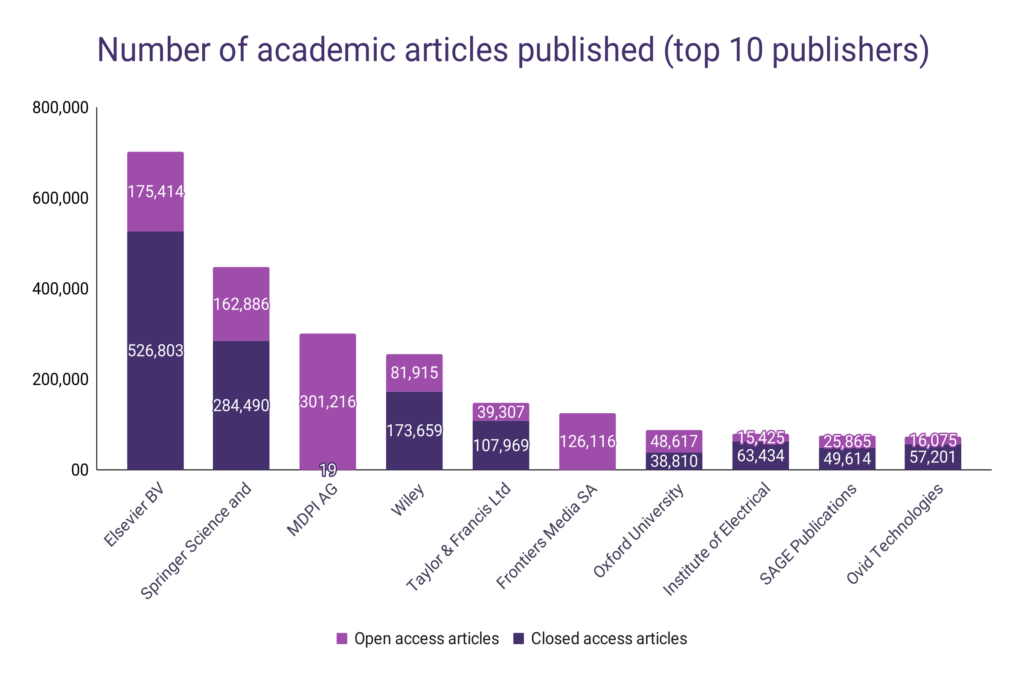
science that’s more open (less publisher domination) and more decentralized (P2P reviews?)
showing potential problem areas to direct curiosity (without aiming at particular problems, yet researching them - we don’t want to instill einstellung effect into anyone)
Incentivize me, daddy
For that to happen, policies have to change. For policies to change, right incentives have to be imbibed into the system: you’d want to incentivize the ones designing and approving policies first, for the n-th order effects to unfold through the layers like mighty ducklings making waves (remember, this is HUGE):

Which leaves us with something akin to a flywheel where we fine-tune incentives for policymakers → educators → businessmen and scientists:

Fine-tuning can have different goals:
optimal policy adoption → e.g. changing policies will hinder both their efficiency and the time to collect data for benefit evaluation
net benefit optimization → the end goal.
Someone should definitely read more onpublic policy analysis…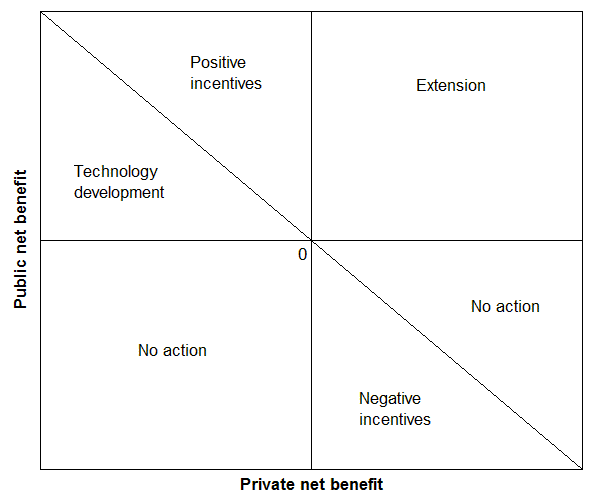
How can all that be measured?
So, we need effective policies to create this flywheel, but how do we know if they are working? How do we measure their impact and optimize them?
I have no idea, and I feel like a low-parameter LLM regurgitating smart words.
Maybe (a high-level uneducated assumption) a bandit-like framework can help, where:
several hypotheses are tested
benefit effect and intervention efficiency is assessed (e.g. causal inference with counterfactuals)
P.S. Yeah, this n-th order effect thinking was partly the reason for my blog naming: we, as virtual higher-order policymakers (incentive is a particular case/factor of a policy), want to create teleogenic frameworks so that incentive optimization process would be self-starting.
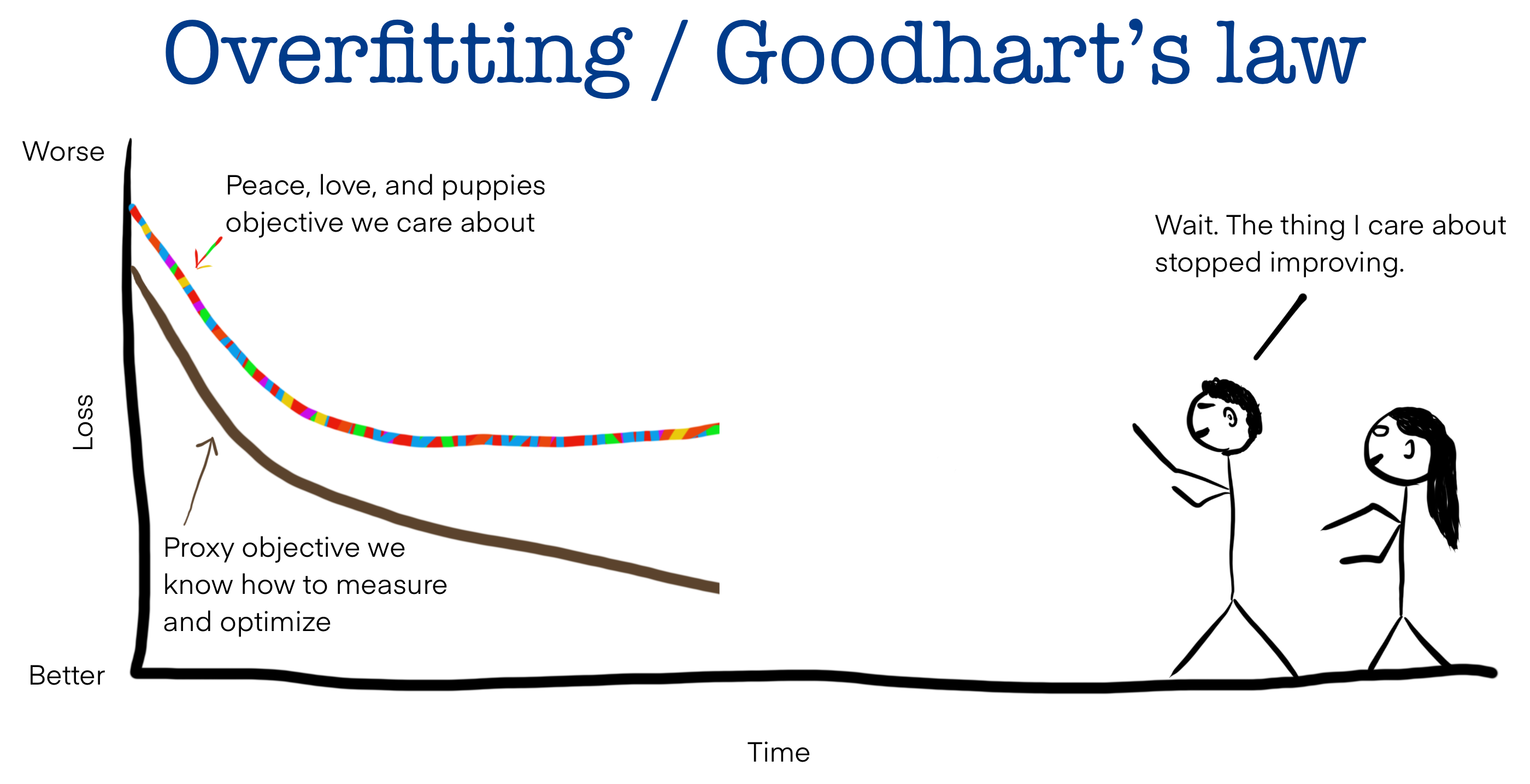
P.P.S. And yeah, we should definitely check for Goodhart’s law creeping in - complex system optimization, akin to overfitting, paves a way to unintended consequences:
Welcome to Teleogenic❣️
Other places I cross-post (not always) to:


